

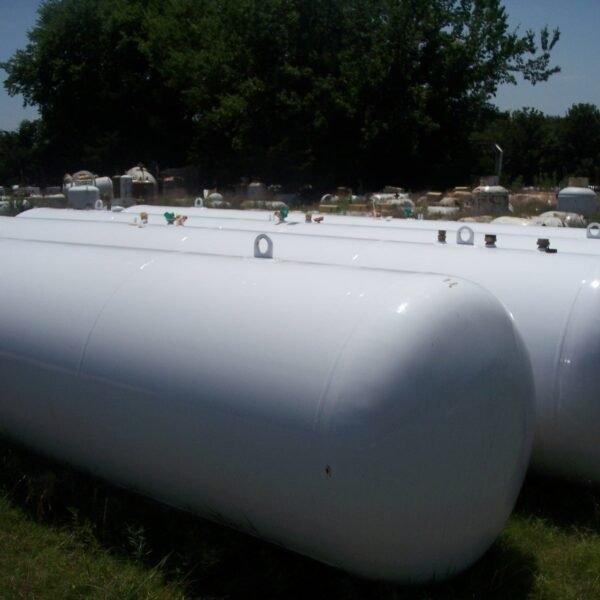


When you envision residential propane service, your brain probably provides you with two different images: a tank standing in your yard and a small box with a panel sticking up from the ground. These are the options you have when you get a propane tank – above or below ground. But is there a difference between them (aside from the obvious) and is one more advantageous than the other? Below, we’ll discuss the pros and cons of both types.
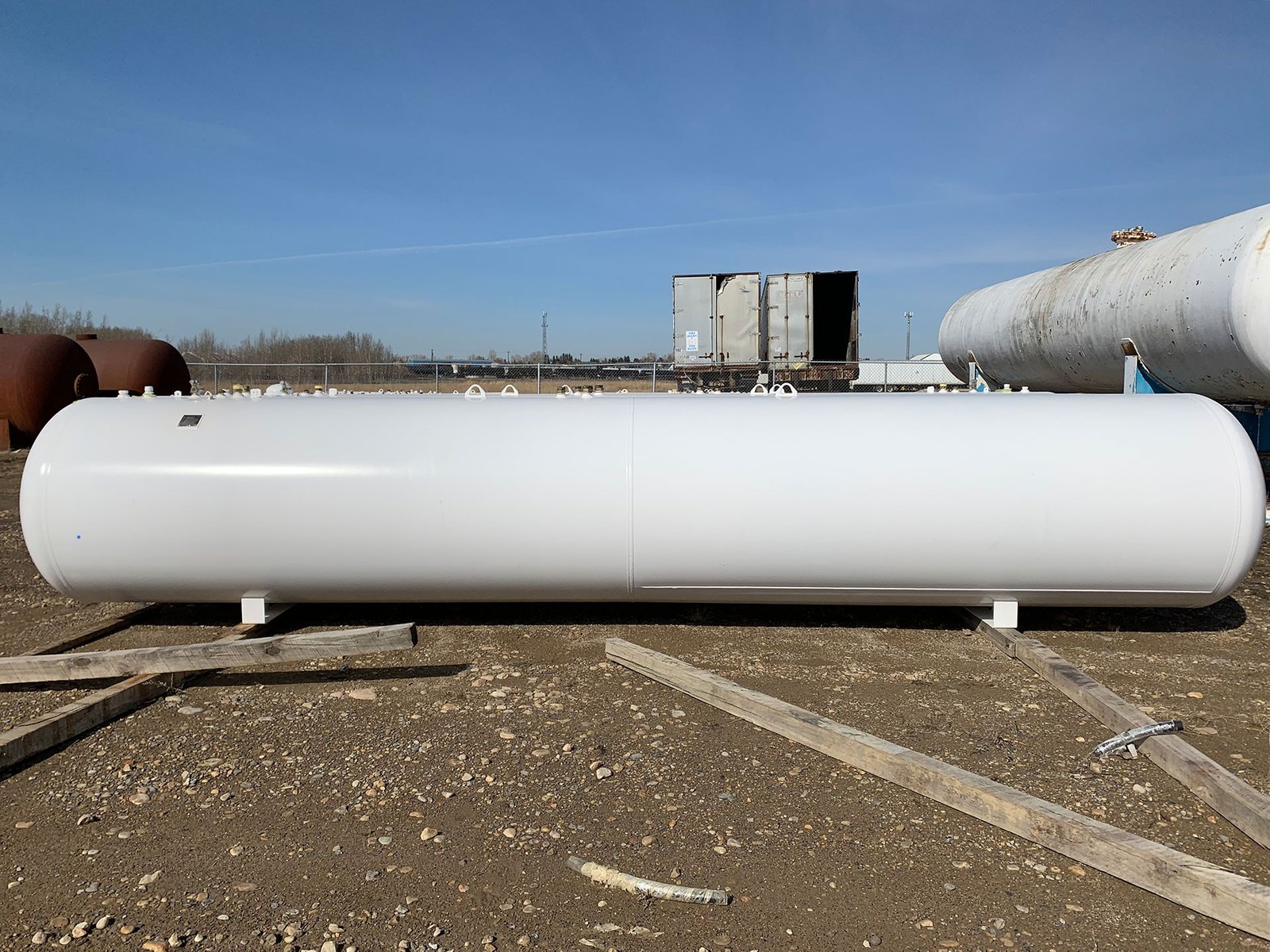
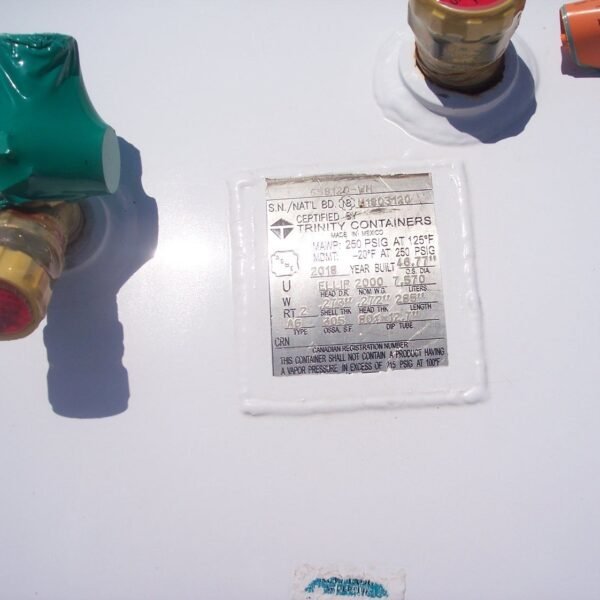
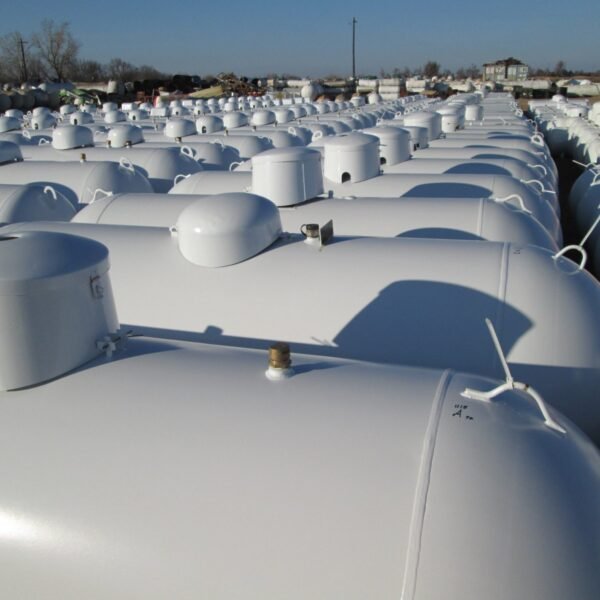
2000 Gallon Propane Tanks For Sale
First and foremost, it’s important to realize that above-ground and below-ground propane tanks function the same way and even include the same basic features. The placement of some of these features is just different, due to the constraints of the underground variety.
Both kinds can also hold the same amount of propane, though our local PA suppliers only fill to about 80% capacity so that there is room for expansion in case of temperature fluctuations. Thus, in terms of pure functionality, each will be as efficient as the other. Now, on to the pros and cons.
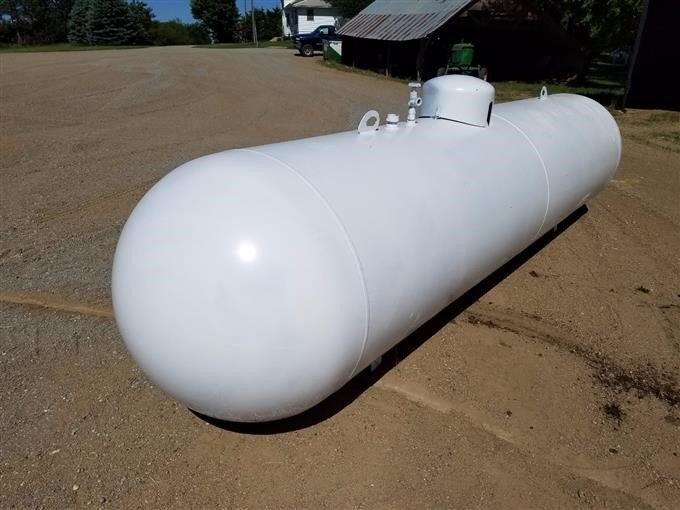
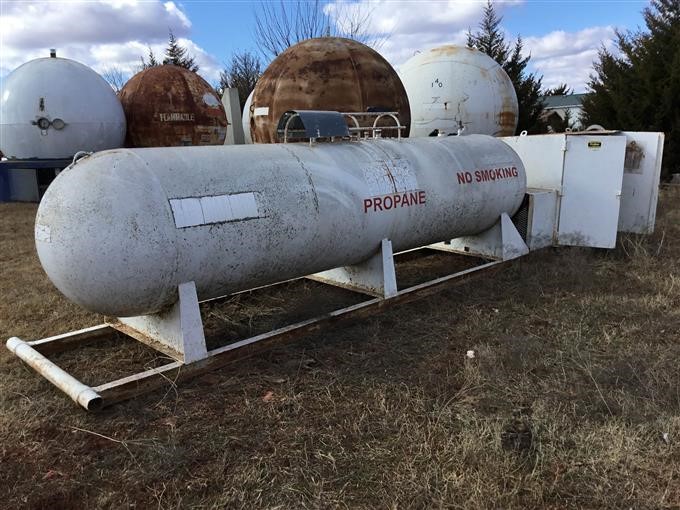
2000 Gallon LPG Cooking Gas Propane Tank for Sale
The Above Ground Tank
The major issue with the above-ground tank? Some people might consider it an eyesore or worse, see it as taking up space that could be devoted to an inground pool, trampoline or gazebo. But here’s the thing: if you install an underground propane tank, you aren’t supposed to put anything aside from dirt on top of it.
So, essentially, an above-ground tank won’t take up any more or less structural space than its below-ground counterpart. However, these tanks can sometimes get in the way of yardwork, recreation, and other activities (depending on their placement, of course).
The main issue for many people is the attractiveness of the tank. Whether the container sitting on your lawn bothers you or not will depend almost entirely on your aesthetic preferences and where you end up placing it. If the container is discreetly hidden behind some bushes, you may not care; if it’s just squatting in the middle of your yard, you may grit your teeth every time you look at it. You’ll have to weigh your options carefully before making a decision.
The Below Ground Tank
For those who take issue with the attractiveness of the above-ground tank, the below-ground variety is the obvious choice. We have a quick video here that shows you exactly how the underground installation process works here at Long Beach Off-coast Depot
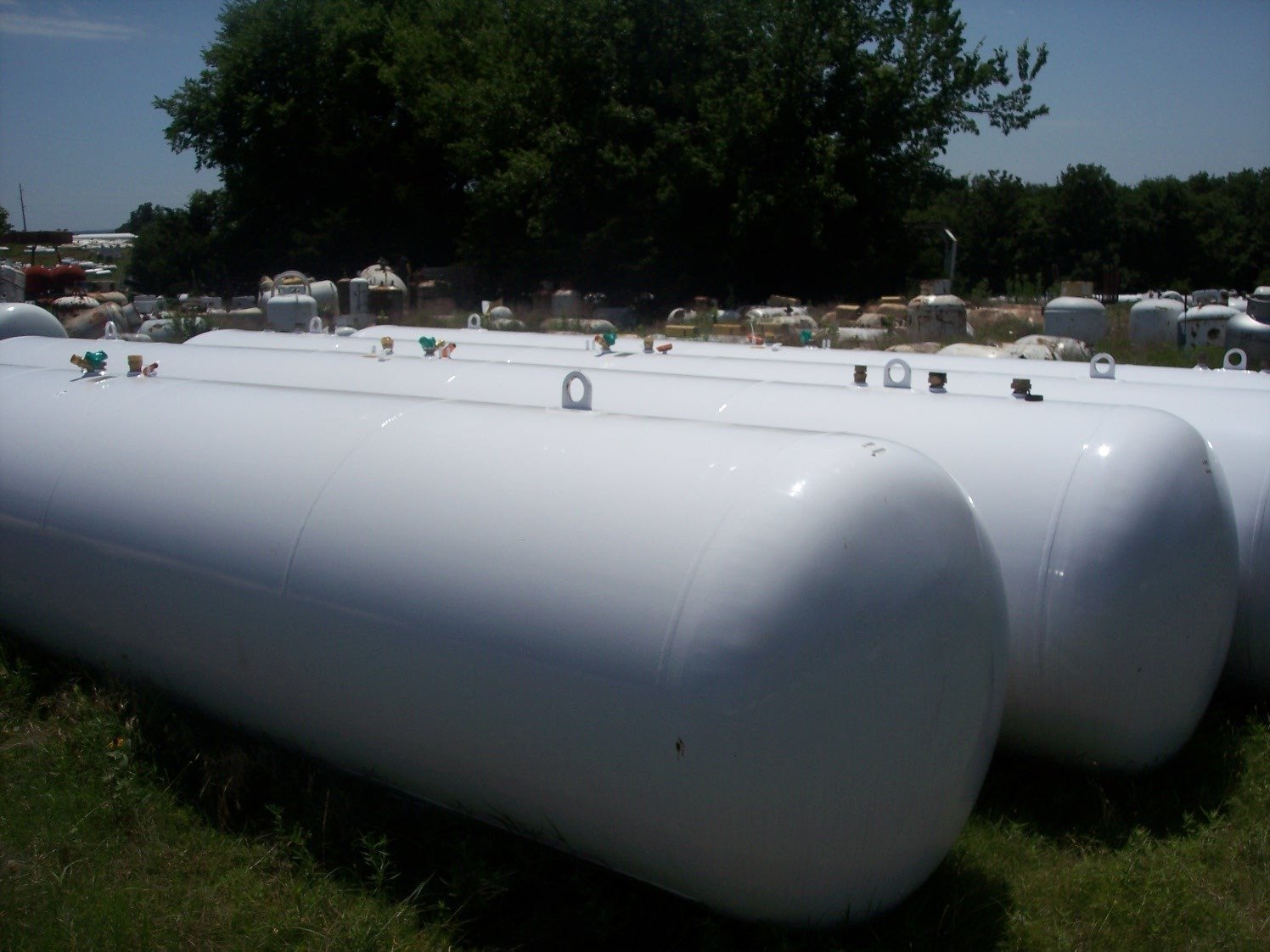
2000 gallon underground propane tank
The advantage of this type of tank is that your yard can go back to the way it was before – you just might have to plant a little new grass. They also don’t take long to install (only about 3-4 hours) and, because propane is a safe substance, a leak (however unlikely), would not harm the local water or soil.
The disadvantage that these tanks have is negligible. They do cost a bit more, simply because of the excavation and extra labor that goes into the process, but once done, the tank will cost the same amount as an above ground one – with the added bonus of being subtly concealed beneath the ground! In addition, with proper materials, coating, and anchoring provided by the experts at Conex Off-coast Port, you can avoid all of the potential pitfalls of underground installations
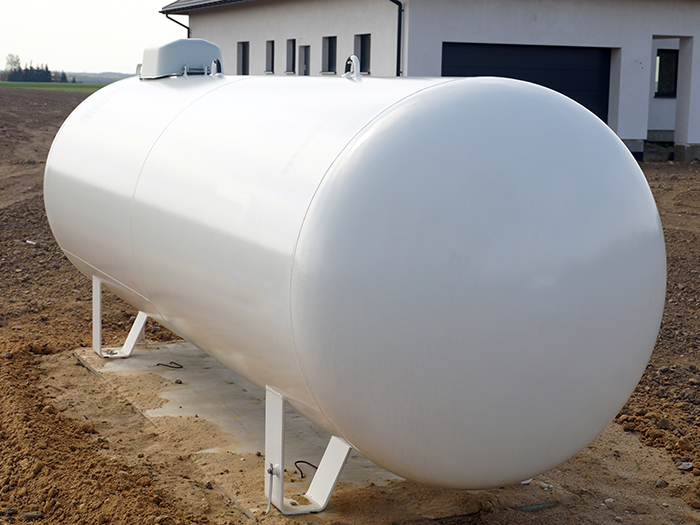
Aboveground Propane Tank Installation
Some customers prefer aboveground propane gas tanks because of their visibility. If you think an aboveground LPG tank is the right choice for you, you can take advantage of these benefits:
- Simple tank maintenance
- Visibility and easy access to propane supply
- Extended regulator lifespan
Underground Propane Tank Installation
Underground propane tank installation is another option that we offer. Below-ground propane tanks are out of sight, buried just a few feet in the ground. They offer these benefits:
- Less maintenance
- Out of sight on your property
- Environmentally friendly
LPG Tank Installation Experts in Pennsylvania
At Schwanger Brothers we maintain the highest standards of safety. Our propane service technicians and propane tank installers are highly trained and comply with all propane safety requirements to perform this important service. If you are unsure about how to begin adding propane to your home or new building project, just give us a call. We’d be happy to discuss your plans, types of propane tanks, tank sizing, and gas line connection options with you.




Reviews
There are no reviews yet.